In San Bernardino, lane splitting is a common and legal practice for motorcyclists, especially during traffic jams. Lane splitting allows motorcyclists to maneuver between lanes of slow-moving or stopped traffic, helping them avoid delays and get through busy roadways faster. However, lane splitting also carries risks. Accidents involving lane splitting can result in severe injuries, and determining fault can be complicated.
Understanding fault in a lane splitting accident involves analyzing several key factors. In California, where lane splitting is legal, both motorcyclists and drivers have specific responsibilities on the road. If an accident happens, it’s important to know what legal actions can be taken and who may be held responsible for the crash. If you’re involved in a lane splitting accident in San Bernardino, the circumstances surrounding the accident are critical to determining liability.
What Is Lane Splitting?
 Lane splitting, also known as white-lining or filtering, is the practice of riding a motorcycle between two lanes of traffic. Unlike traditional lane changing, lane splitting happens when the motorcyclist moves between vehicles that are either at a complete stop or moving slowly in traffic. This practice is legal in California under specific conditions, but it is important for motorcyclists to follow certain safety guidelines to minimize the risk of accidents.
Lane splitting can be extremely beneficial in high-traffic areas like San Bernardino, where roads such as I-10 and I-215 often face significant congestion. It allows motorcyclists to avoid sitting in traffic and can help reduce road rage for all road users. However, lane splitting can also be risky, especially when other drivers are unaware of motorcyclists or when riders fail to adjust their speed appropriately. Lane splitting requires a high level of awareness and control from the rider to avoid accidents.
When Is Lane Splitting Legal in California?
California is one of the few states that permits lane splitting. The law allows motorcyclists to ride between lanes as long as they meet certain conditions:
- Speed: The motorcyclist should not exceed 10 mph faster than the surrounding traffic. For example, if traffic is moving at 20 mph, the motorcyclist can safely split lanes at speeds up to 30 mph.
- Conditions: Lane splitting is legal only when traffic is moving slowly or stopped, typically in heavy congestion. Riders must not lane split at high speeds or in areas where it would be unsafe to do so.
- Safety: Motorcyclists must split lanes with caution. The practice should only occur when it is safe and reasonable to do so. Riders should avoid weaving in and out of traffic and should always check for obstacles or sudden changes in the road ahead.
Lane splitting should be done in a safe manner, and riders must always be aware of the surroundings, especially since other drivers may not anticipate a motorcycle moving between lanes. Understanding the guidelines for legal lane splitting helps reduce the risk of accidents, particularly when splitting lanes at intersections or during high-speed traffic conditions.
When Lane Splitting Goes Wrong: Causes of Lane Splitting Accidents
While lane splitting can be helpful for motorcyclists, it can also lead to accidents when certain conditions aren’t met. The unique nature of lane splitting makes it different from regular motorcycle accidents. Some common causes of lane splitting accidents include:
1. Sudden Lane Changes
One of the most common causes of lane splitting accidents occurs when a driver makes an unexpected lane change without checking their mirrors or blind spots. If a motorcyclist is splitting lanes and a car abruptly moves into the lane, the motorcycle may be struck or forced into dangerous traffic. Drivers need to be especially cautious when switching lanes, particularly in areas with heavy traffic where motorcyclists may be passing between vehicles. According to California law, a driver must always ensure the lane is clear before making a lane change, which is a crucial factor in preventing lane splitting accidents.
2. Distracted Drivers
Distracted driving is a growing concern on the roads, and it can be especially dangerous for motorcyclists who are lane splitting. Drivers who are texting, talking on the phone, or otherwise distracted are less likely to notice a motorcyclist attempting to split lanes. If a distracted driver doesn’t see a motorcyclist in time, it may lead to an accident, even if the motorcyclist is following the lane splitting laws. Learn more about the dangers of distracted driving from the National Highway Traffic Safety Administration (NHTSA).
3. Failure to Yield
Drivers are required to yield to motorcyclists when appropriate. If a driver does not properly yield, especially in situations where a motorcycle is lane splitting, the motorcyclist may be at risk of a collision. This often occurs when drivers fail to notice the motorcyclist or are impatient, leading them to change lanes without checking if a motorcycle is nearby. Motorcyclists should always be aware of drivers who may make sudden lane changes, but drivers must also be vigilant about their surroundings to avoid accidents with motorcyclists.
4. Speeding While Lane Splitting
Motorcyclists who engage in lane splitting must do so carefully, with awareness of the surrounding traffic. While lane splitting itself is legal, doing so at an excessive speed increases the risk of an accident. If a motorcyclist is riding too fast while splitting lanes, they may not be able to react in time to sudden obstacles, making a crash more likely. In some cases, speeding can even lead to the motorcyclist being held partially responsible for the accident. It is important for motorcyclists to maintain a safe speed and avoid excessive lane splitting when traffic is moving faster than normal.
Who Is Liable in a Lane Splitting Accident?
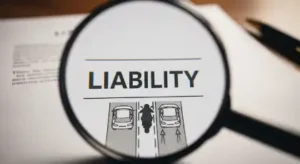 Liability in a lane splitting accident depends on several factors, including the actions of the motorcyclist and the other driver involved. In California, both parties may share some level of responsibility for an accident, depending on the circumstances. Here’s how liability is typically determined:
Motorcyclist Liability
Motorcyclists have the legal right to lane split in California, but they must do so safely and responsibly. If a motorcyclist is found to be lane splitting too aggressively or at an unsafe speed, they may be held partially liable for the accident. For example, if a motorcyclist is traveling at 50 mph in a 25 mph traffic jam, they may be deemed reckless and responsible for the collision. Riders must adhere to safety laws and avoid lane splitting too quickly or in areas that pose high risks of danger.
Driver Liability
A driver who makes unsafe lane changes, fails to check mirrors, or is distracted and doesn’t notice a motorcyclist may be held liable for the accident. If a driver violates traffic laws or makes dangerous driving decisions, they could be found at fault. More information on driver responsibility and how to prove fault can be found in our How to Prove Fault in a San Bernardino Motorcycle Accident Case blog.
Shared Liability
In many lane splitting accidents, both parties may share liability. For example, if the motorcyclist is lane splitting at an excessive speed but the driver also fails to notice them and changes lanes abruptly, both may be found partially responsible. California operates under comparative negligence laws, meaning each party’s percentage of fault will be taken into account when determining compensation.
What to Do After a Lane Splitting Accident
If you’re involved in a lane splitting crash, follow these steps to protect your rights:
1. Document the Scene
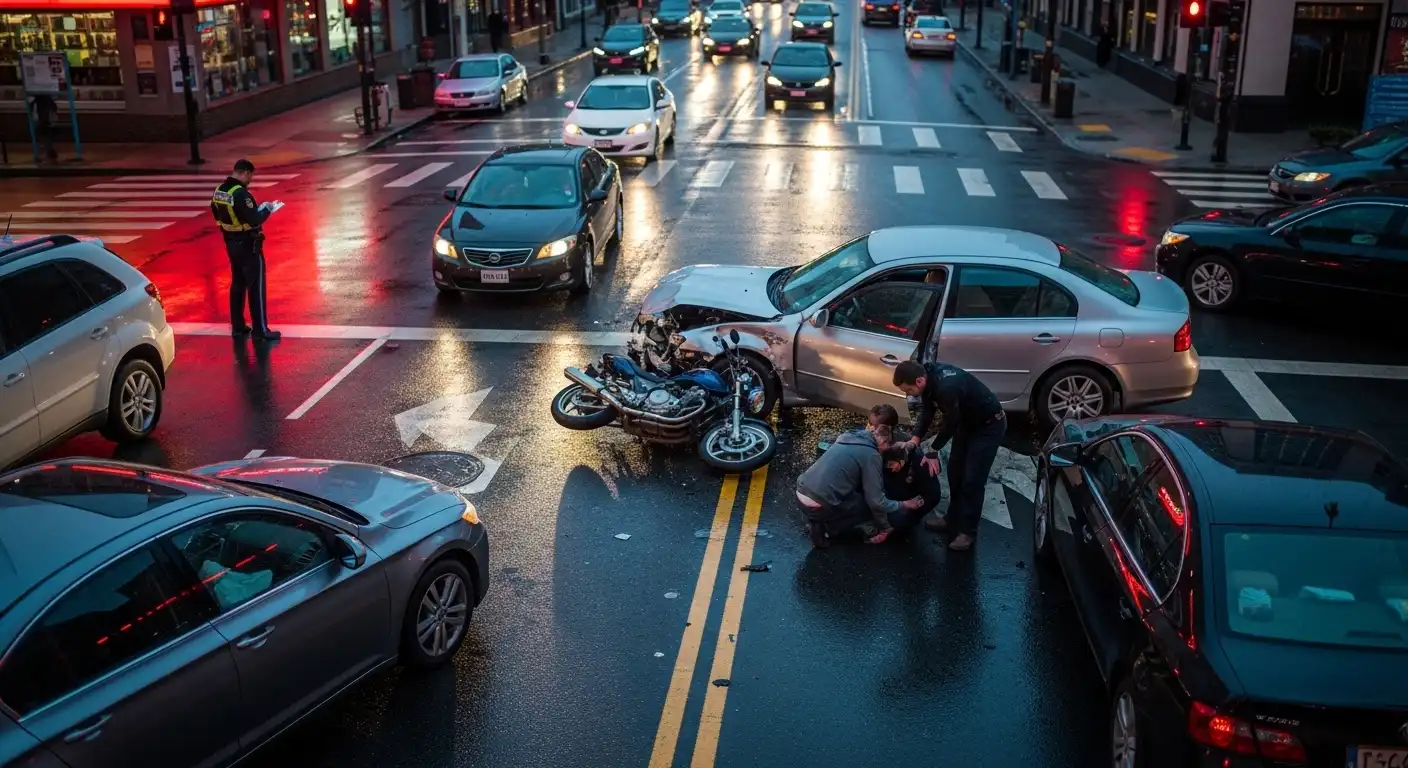
Taking photos and videos of the accident scene can be crucial to building a strong case. Document the positions of the vehicles, the damage to the motorcycle and car, and any other relevant details such as road conditions or weather. If there are traffic cameras nearby, make sure to gather any available footage. For more tips on documenting accidents, visit our Common Causes of Motorcycle Accidents blog.
2. Seek Medical Attention
Even if you feel fine, it’s important to get checked by a doctor after any motorcycle accident. Injuries such as whiplash, concussion, or internal injuries may not be immediately apparent. Seeking medical attention ensures that you’re on the road to recovery and provides important documentation for your insurance or legal claim. Read more about common injuries sustained in motorcycle accidents.
3. Report the Accident
It’s important to file a police report, especially in cases where fault may be disputed. Having an official record of the accident can help determine liability and prevent future complications in your case.
4. Consult a Motorcycle Accident Lawyer
If you’ve been involved in a lane splitting accident, an experienced motorcycle accident lawyer can help you navigate the complexities of California law. A lawyer will review the details of your case, gather evidence, negotiate with insurance companies, and ensure you receive the compensation you deserve. Learn more about handling accident claims with our Motorcycle Accident Claims: How to Maximize Your Compensation in California blog.
How Lawyers Can Help
A lawyer with experience in motorcycle crashes will:
- Examine police reports and evidence
- Interview witnesses
- Coordinate with accident reconstruction experts
- Negotiate with insurance companies
They can help you pursue compensation for medical bills, lost wages, pain and suffering, and more. By partnering with an experienced attorney, you can have peace of mind knowing your case is in good hands.
For authoritative data on roadway safety and collision statistics, visit the NHTSA motorcycle safety page.